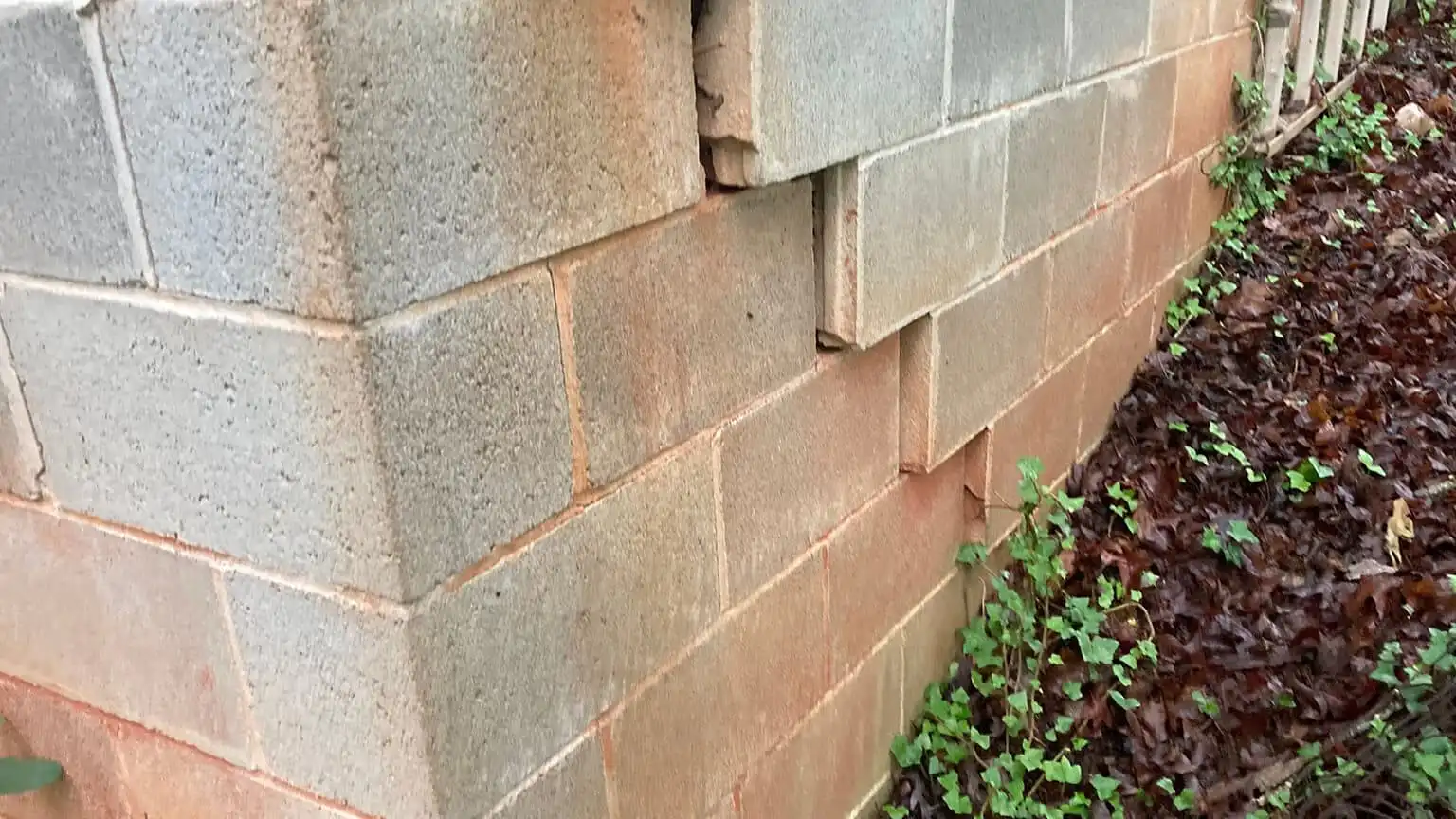
Excavating is a critical aspect of building and land development, serving as the foundation upon which structures and infrastructure are constructed. In Excavation Services of Ontario, a province known for its diverse geological landscape and different soil types, comprehending the details of excavation is important for both home and commercial projects. Whether you are planning to dig a fresh home, install a sewage system, or prepare land for farming, familiarity of local laws, environmental considerations, and site preparations can significantly influence the success of your project.
This guide aims to provide a detailed overview of excavation professionals in Ontario, highlighting key elements such as frost depth guidelines, safety regulations, and the significance of proper site grading. From the lively urban centers of the Greater Toronto Area to the picturesque rural landscapes, dealing with the obstacles posed by Ontario's soil types and climatic factors is crucial. With factors ranging from the required permissions to essential site preparation checklists, this article will give you with the knowledge you need to make informed decisions for your excavation requirements.
Digging Fundamentals in Ontario
Excavation projects in the Province of Ontario necessitate thorough planning and adherence to regulations to ensure positive outcomes. One of the first actions for any excavation project is understanding the frost depth depths in the area. This knowledge is vital for excavating foundations, as frost can significantly influence the integrity of a structure. By factoring in the frost line, contractors can avoid financially burdensome errors related to foundation issues that could arise from frost heave cycles.
Another essential aspect of excavation in the Province of Ontario is the necessity for site preparation before excavating. A thorough site preparation to-do list is imperative for construction of new homes. This checklist typically includes assessing the land features, evaluating soil types, recognizing potential hazards, and verifying that all necessary permits are acquired. In addition, it is critical for builders to utilize Ontario One Call to protect their excavation projects. This service allows workers to detect and mark underground utilities, reducing the risk of accidents and expensive disruptions.
Builders must also be aware of the multiple laws enforced by the Ontario Ministry of Labour regarding safety during digging. This includes grasping safety in trenching and the principles of shoring to safeguard workers and ensure compliance with legal standards. By following these regulations and implementing best practices, builders can create a safer work environment, reducing potential risks associated with digging tasks in the Province of Ontario.
Safety Regulations and Effective Strategies
Safety is paramount in excavation projects, especially in the province of Ontario where standards are stringent to protect workers and the environment. The Department of Labour outlines extensive safety standards that excavation contractors must comply with to ensure a secure worksite. This includes appropriate training for workers on equipment operation, responding to emergencies, and the unique risks associated with excavation, such as cave-ins or contact with buried services. Protective measures must also encompass thorough site assessments before digging begins, ensuring that all potential dangers are addressed.
Contractors should implement best practices for trenching safety, adhering to established guidelines regarding the depth of excavations, safety systems, and entry and exit provisions. Hiring a qualified safety officer to supervise operations can further improve protection measures. Routine safety audits and meetings should be conducted to promote a culture of safety within the workforce. Employing appropriate stabilization techniques significantly lowers the risk of failures, and ensuring that all workers are equipped with protective equipment is vital in preventing injuries.
In addition to compliance with safety laws, open communication and coordination among workers play a vital role in ensuring excavation safety. Using methods like safety observers for equipment operation and ensuring clear directions for movement can help prevent incidents. Contractors should also prioritize keeping the worksite tidy and free of obstacles, which contributes to a less hazardous environment. By encouraging a proactive approach to safety through continuous training and rigorous compliance to regulations, excavation contractors can shield their teams while ensuring project efficiency.
Expense Elements and Project Factors
As planning a excavation project in Ontario, understanding cost factors is essential to effective budgeting. Key elements influencing costs include type of soil, site accessibility, project scale, and depth of excavation. For instance, heavy clay soils, prevalent in the Greater Toronto Area, may require specific tools and methods, raising overall expenses. Additionally, if the site has tight access or requires extensive shoring, contractors may need to consider increased labor and machinery costs to adequately handle these conditions.
Permits and compliance also play important roles in excavation project costs. In Ontario, different municipalities have unique requirements that can affect schedules and costs. Securing the necessary permits from conservation authorities can add to the time required for the project and cost. It's essential to navigate regulations, such as those related to the management of excess soil or tree protection zones, to avoid potential fines or project delays. Engaging knowledgeable contractors familiar with local rules can streamline this process.
Finally, seasonal considerations can dramatically impact excavation costs and logistics. Winter excavation requires specific methods to manage frozen ground conditions, while wet spring seasons may require dewatering strategies to handle high water tables near lakes. Understanding these seasonal challenges will help homeowners and contractors alike to plan effectively, ensuring that cost and schedule align with the realities of Ontario's climate and terrain.