

As for landscaping in Ontario, excavation is a fundamental element which underpins your project. Considering a diverse range of contractors available, understanding important elements affecting excavation processes is crucial for homeowners and builders alike. Regardless of whether you are planning to build a new home, install a swimming pool, or develop a commercial property, knowing what to expect can help you make informed decisions.
In this complete guide, we'll cover important topics such as Ontario frost line depths, safety regulations, and techniques to handle various soil types. From dealing with the complexities of permits and conservation authority requirements to ensuring safe excavation practices, this resource aims to equip you with the information needed to choose contractors you can rely on for your excavation projects. By having the right preparation and the right team, successful landscaping through excavation can become a reality for your Ontario property.
Comprehending Excavation Laws in Ontario
Excavation work in Ontario is subject to a set of regulations formulated to ensure the safety of both workers and the ecosystem. These regulations guarantee that excavation operations comply with safety protocols and environmental guidelines. It is essential for contractors and property owners to be informed about the various rules that affect excavation work, including those related to soil management, construction practices, and site safety requirements.
One significant aspect of excavation laws in Ontario is the requirement for securing permits before commencing any digging. Contractors must navigate the permitting process through local authorities and, in some cases, conservation authorities, based on the nature of the project. This involves adhering to regulations set forth by organizations such as the Toronto and Region Conservation Authority and the Niagara Escarpment Commission, which provide standards for managing environmental impacts during the excavation process.
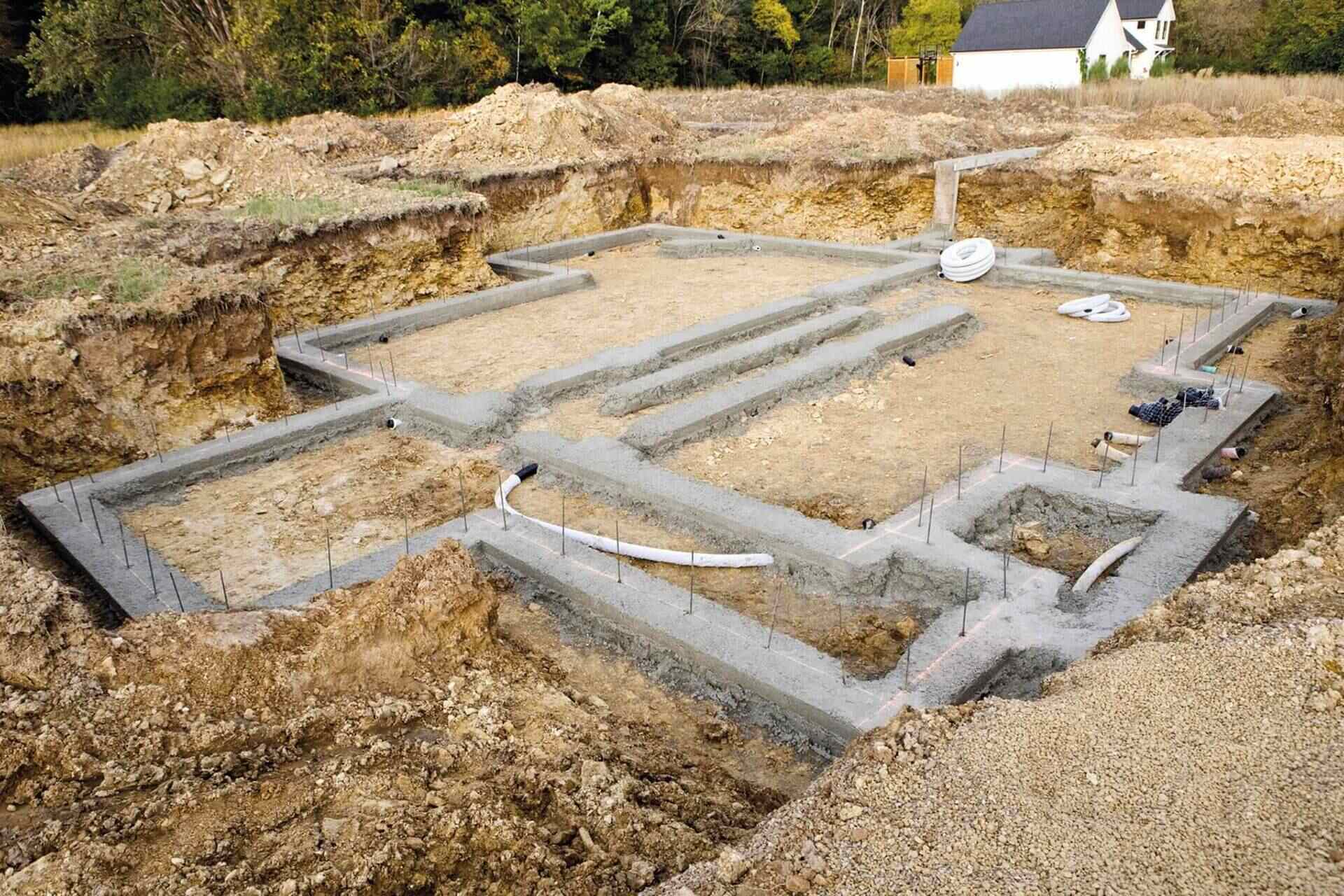
Additionally, contractors must consider regulations regarding worker safety, such as those defined by the Ontario Ministry of Labour. There are specific requirements concerning trenching safety, shoring procedures, and personal protective equipment for workers. Grasping these regulations not only assists in preventing legal complications but also ensures that excavation projects are carried out safely and responsibly, minimizing the risk of accidents on-site.
Important Factors for Safe and Productive Excavation
When embarking on an excavation project in Ontario, recognizing the frost line depths is essential. The frost line, which differentiates across the province, greatly impacts the foundation excavation process. Deep excavations may require specific techniques and equipment to avoid soil heaving and guarantee structural integrity. As winter approaches, excavation contractors must modify their methods to factor in frozen ground, making preparation a critical factor in achieving a favorable outcome.
An additional essential consideration is compliance with safety regulations outlined by the Ontario Ministry of Labour. Contractors must be familiar with trenching safety and shoring requirements to shield workers from potential hazards. Ensuring that proper safety measures are established not only safeguards the workforce but also helps avoid costly delays and fines. Additionally, the use of equipment designed for particular site conditions, such as mini excavators for tight access jobs, can enhance efficiency and adhering to safety protocols.
Finally, before starting any excavation work, it is important to develop a comprehensive site preparation checklist. This checklist should include important steps such as acquiring necessary permits with local conservation authorities, understanding soil composition, and managing potential erosion control. Addressing Excavating Contractors ensures that the excavation process is conducted smoothly and efficiently, leading to effective project completion.
Pricing Elements and Best Practices in the Province of Ontario Excavation
As planning excavation jobs in the Province of Ontario, several important factors affect overall expenses. The kind of project, be it residential or commercial, is crucial, as does the intricacy of the location. Factors such as soil conditions, accessibility, and the required permits can dramatically affect the cost. For instance, excavation in locations with heavy clay soil or high water tables may necessitate additional equipment or techniques, increasing labor and machine time. Grasping these specifics can assist homeowners and contractors plan finances more accurately and reduce unexpected expenses.
Best practices in excavation also contribute to financial efficiency and safety. Proper site preparation is crucial, starting with an essential checklist to ensure all elements are considered. For example, conducting soil compaction testing is crucial to ensure base stability before building foundations. Moreover, Commercial Excavation to local regulations, including those from the Ontario Ministry of Labour and environmental agencies, can prevent costly fines or delays. Establishing clear communication with excavation contractors regarding project scope and expectations can also simplify processes and reduce miscalculations.
Equipment choices significantly impact excavation efficiency and costs. Selecting the right machinery, whether a mini excavator or full-sized model, should align with the project requirements. Contractors should consider factors like the depth of excavation, type of soil, and site constraints. Frequent maintenance of equipment can avert breakdowns, making sure work progresses smoothly. Moreover, contractors familiar with the nuances of Ontario regulations and practices, including handling excess soil and protecting tree zones, can provide essential support in achieving successful excavation outcomes.